A week that showed where European air defence is heading
Berlin, June 2026
The conversation at ILA Berlin 2026 had changed. The question was no longer what Europe should build, but how quickly it could produce, integrate, and field it.
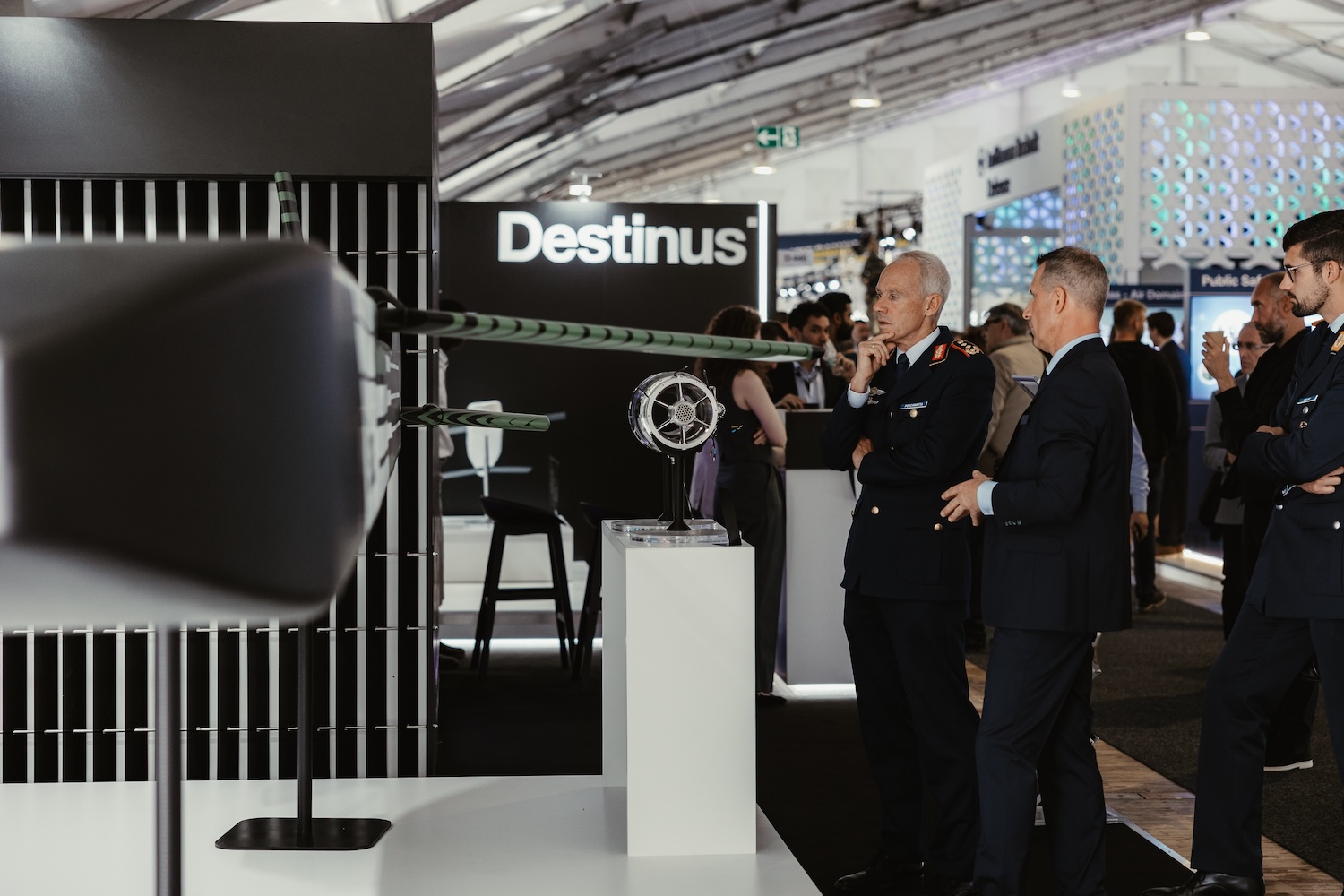
Across five days in Berlin, the Destinus team met with military delegations, government and procurement representatives, industrial partners, and customers from across Europe and beyond. The priorities differed by country. The questions did not: how to intercept at sustainable cost, how to build layered air defence, and how to scale production fast enough to keep pace with demand.
Against that backdrop, Destinus and Diehl Defence signed a teaming agreement on ground-based air defence and Counter-UAS systems. The first phase brings the Destinus Hornet B2 interceptor into Diehl’s GARMR Counter-UAS system, introducing a new interceptor class alongside its existing effectors.
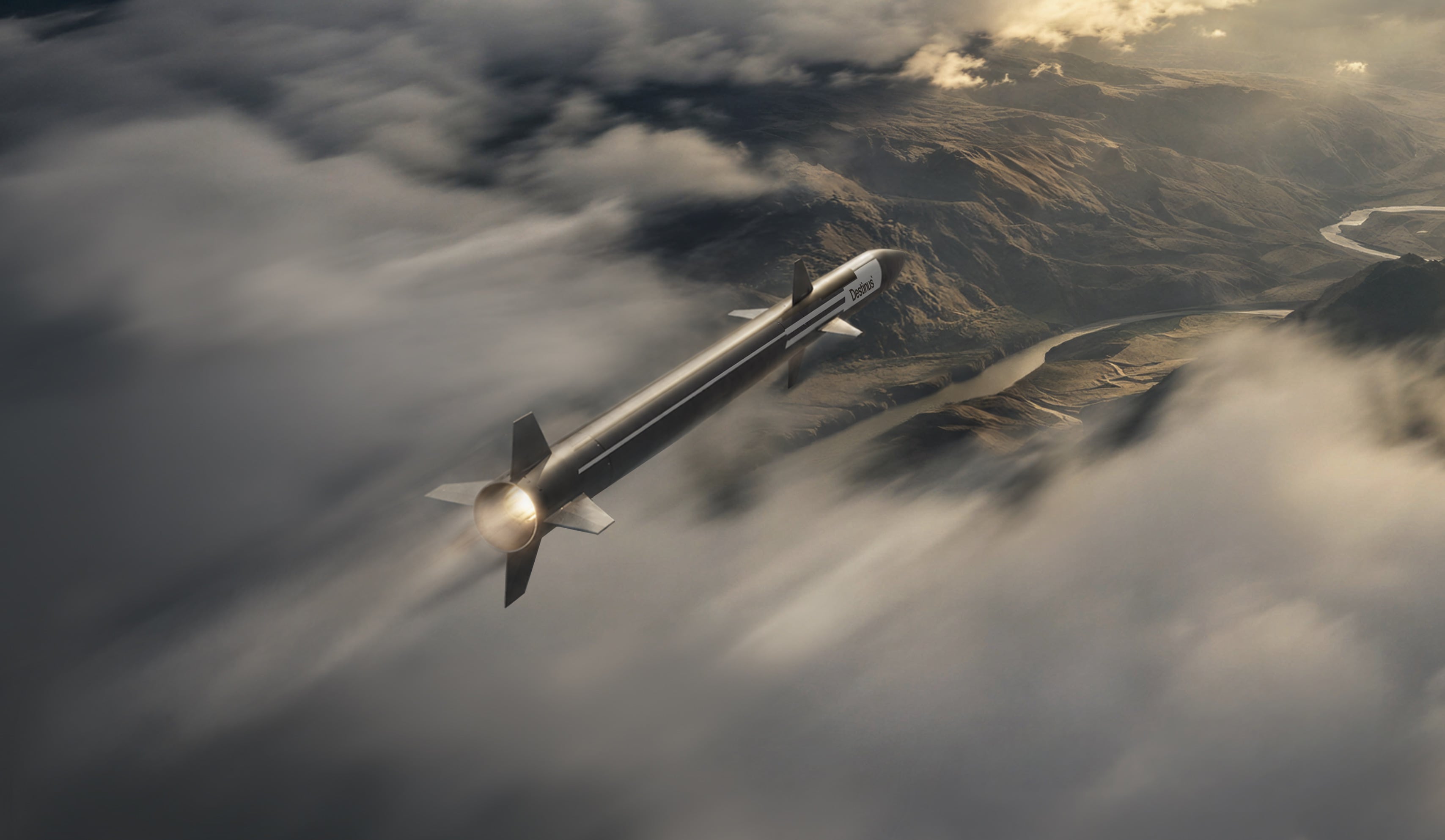
Hornet B2 addresses a gap that is becoming harder for Europe to ignore: fast, jet-powered one-way attack drones and glide bombs. Positioned between conventional Counter-UAS effectors and high-end air defence missiles, it gives operators a cost-effective way to engage threats that do not warrant the use of larger missile systems.
The agreement also creates a path to explore Hornet as a future secondary effector within the IRIS-T Ground-Based Air Defence family.
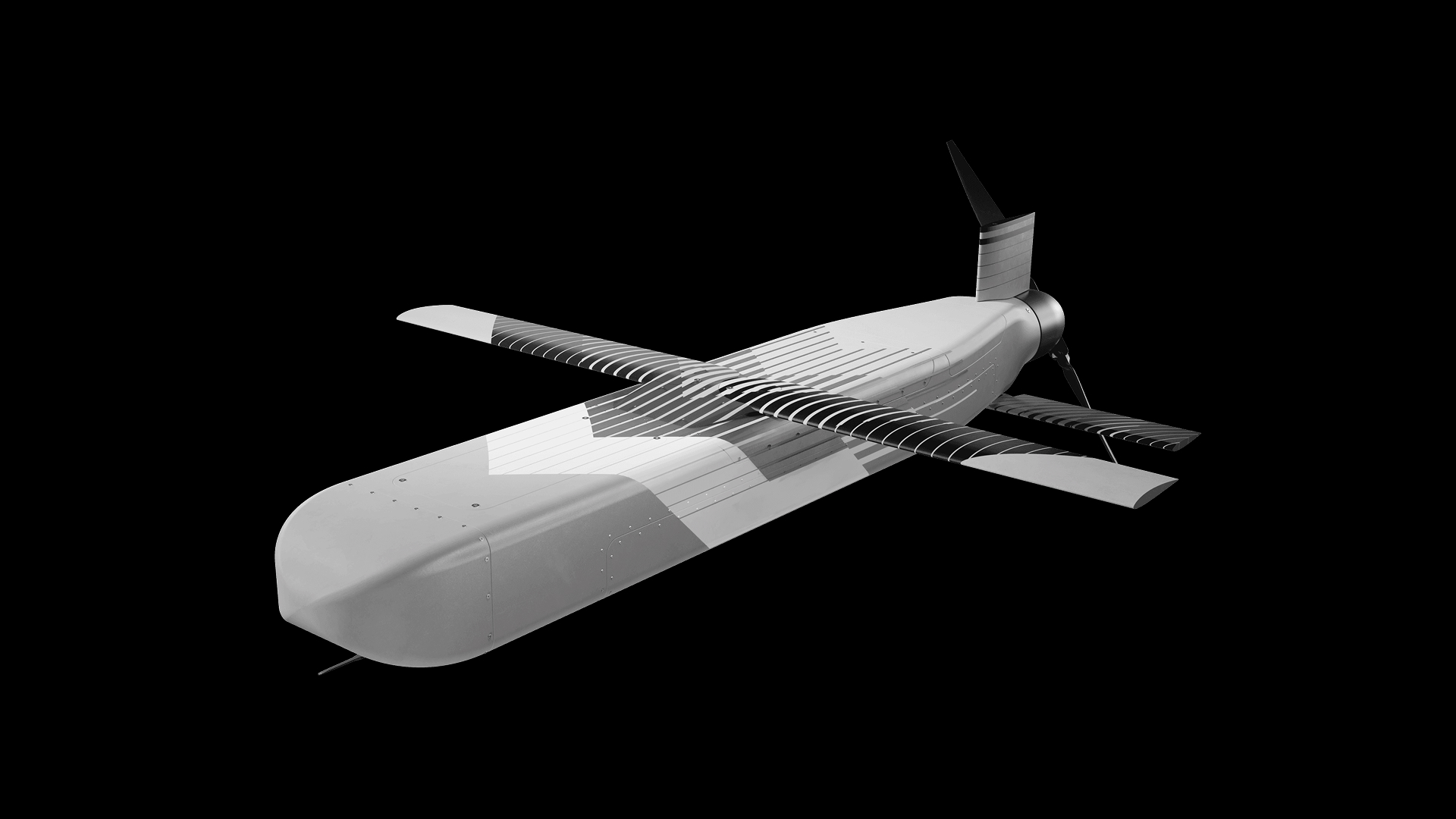
Destinus’ Kryla saturation strike system also featured on display at the Quantum Systems stand as an integrated payload option for their Pulse P19 platform.
The defining challenge for European air defence is no longer identifying the threat. It is building systems that can be integrated, produced, replenished, and sustained at scale.
That is the direction. It is also where Destinus intends to contribute.