Destinus and the Netherlands Ministry of Defence launch Hornet B2 naval counter-UAS development program
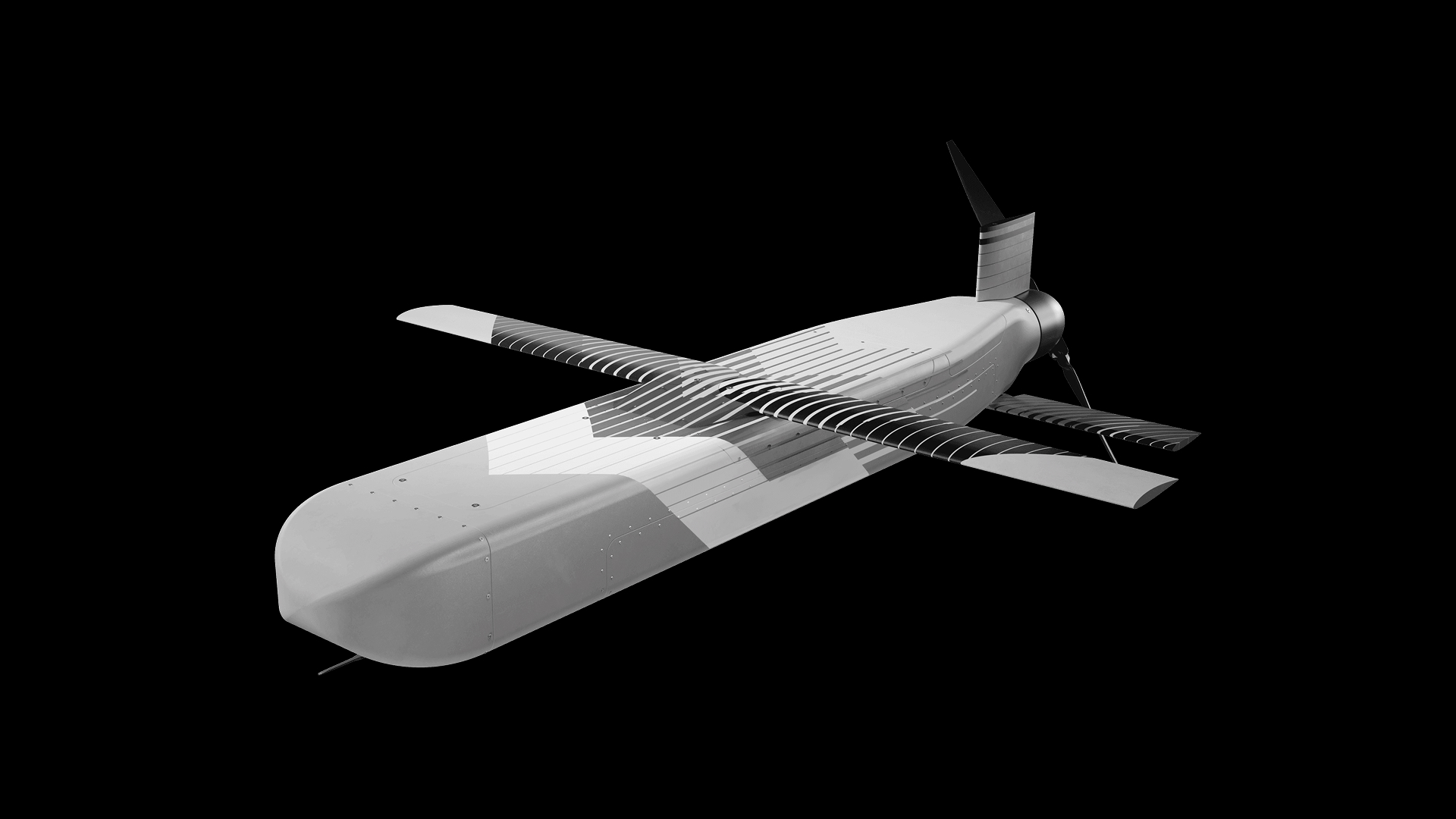
A new Concept Development & Evaluation program will integrate Hornet B2 with Royal Netherlands Navy warships and develop the system towards a possible initial operating capability.
Naval air defence faces an increasingly difficult economics problem.
Low-cost aerial threats can arrive in volume, and meeting each one with a premium interceptor is an equation no navy can sustain. High-end naval air-defence missiles remain essential, but fleets also need an additional interceptor layer that can be deployed in greater numbers and matched more closely to the cost and scale of the threat.
The Netherlands Ministry of Defence and Destinus are now working to develop that layer with Hornet B2.
The Ministry of Defence’s Materiel and IT Command, COMMIT, has signed a contract with Destinus to launch a Concept Development & Evaluation program for a kinetic counter-UAS capability for the Royal Netherlands Navy.
The program includes the delivery of Hornet B2 interceptor systems, integration with several Royal Netherlands Navy warships and Integrated Logistics Support activities towards a possible initial operating capability. The CD&E program is scheduled for completion in Q2 2027.
A different approach to naval interception
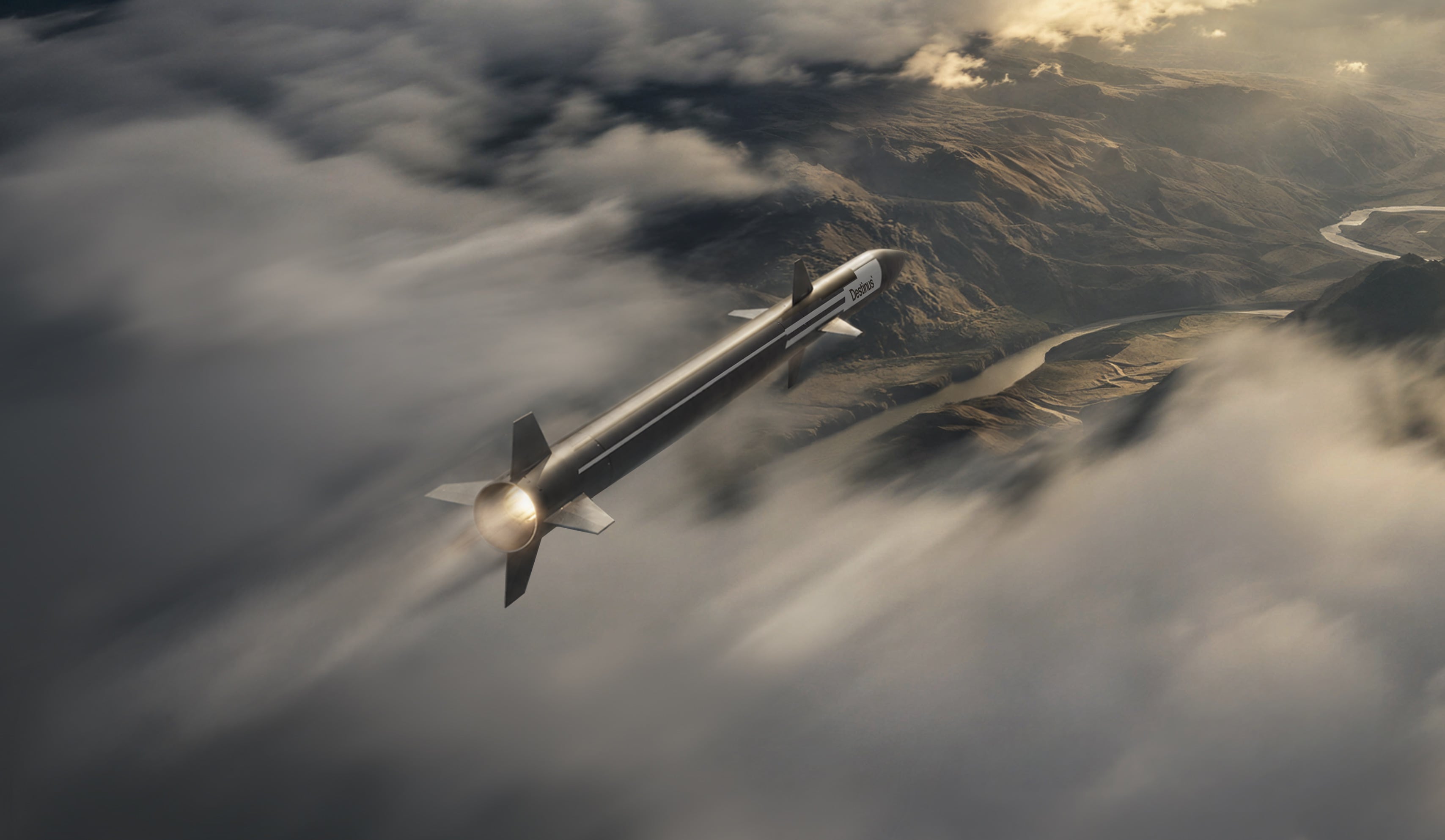
Hornet B2 is built around a different architecture from a traditional interceptor missile.
The system is stored in a sealed canister and launched by a rocket booster. After launch, it deploys folding wings and transitions to electric-powered cruise flight.
This combines missile-class launch readiness with aircraft-class range and endurance, while targeting a cost per engagement far below that of traditional interceptor missiles.
Hornet B2 is designed to engage one-way attack systems using electro-optical and infrared sensing, supported by AI-based processing during the terminal phase. Engagement decisions remain under human command in accordance with applicable rules of engagement.
Its predecessor, Hornet B1, is already in serial production.
The design philosophy is straightforward. Naval forces need more than one class of interceptor.
Premium missiles provide the performance required against the most demanding threats. Hornet B2 is being developed as an additional layer for lower-cost aerial threats arriving in volume, where repeatedly using high-end interceptors creates an increasingly difficult operational and economic trade-off.
Built with the operators from the start
Royal Netherlands Navy operators will be involved directly throughout the CD&E program.
They will contribute operational expertise and help shape the capability requirements and system specifications as Hornet B2 is developed for the naval environment.
For naval systems, that distinction matters. The interceptor itself is only one part of the capability. Ship integration, logistics, operator requirements, support and operating procedures all have to work together.
Bringing those requirements into the development process from the outset reduces the need to adapt a finished system after development. It also ensures that the capability is shaped around the environment in which it will ultimately be used.
This is the purpose of the CD&E model: to connect engineering, integration and operational evaluation while the capability is still being developed.
Adding interceptor capacity where navies need it
Hornet B2 is not intended to replace high-end shipborne air-defence systems.
It is being developed to add interceptor capacity against low-cost, high-volume aerial threats, helping navies preserve premium missiles for the threat classes that require them.
“Low-cost aerial threats have inverted the economics of naval air defence: no navy can sustainably trade multimillion-euro missiles against low-cost threats arriving at volume,” said Mikhail Kokorich, CEO of Destinus.
“Hornet B2 answers this with a different architecture: launched from a canister like a missile, cruising on electric power like an aircraft, and engaging subsonic threats at a fraction of the cost per engagement. Developing this capability together with COMMIT and the Royal Netherlands Navy from day one means it will be shaped by the operators who will depend on it.”
The program supports the Netherlands’ publicly stated requirement for a maritime kinetic counter-UAS capability for the fleet.
It also marks the next step in bringing Hornet B2 into the naval environment: not as a standalone interceptor, but as part of an operational capability developed around the ships, operators and support systems that will use it.
The CD&E program is scheduled to run through Q2 2027.