Rheinmetall Destinus Strike Systems centres its priorities on Ruta B3 and European deep-strike production
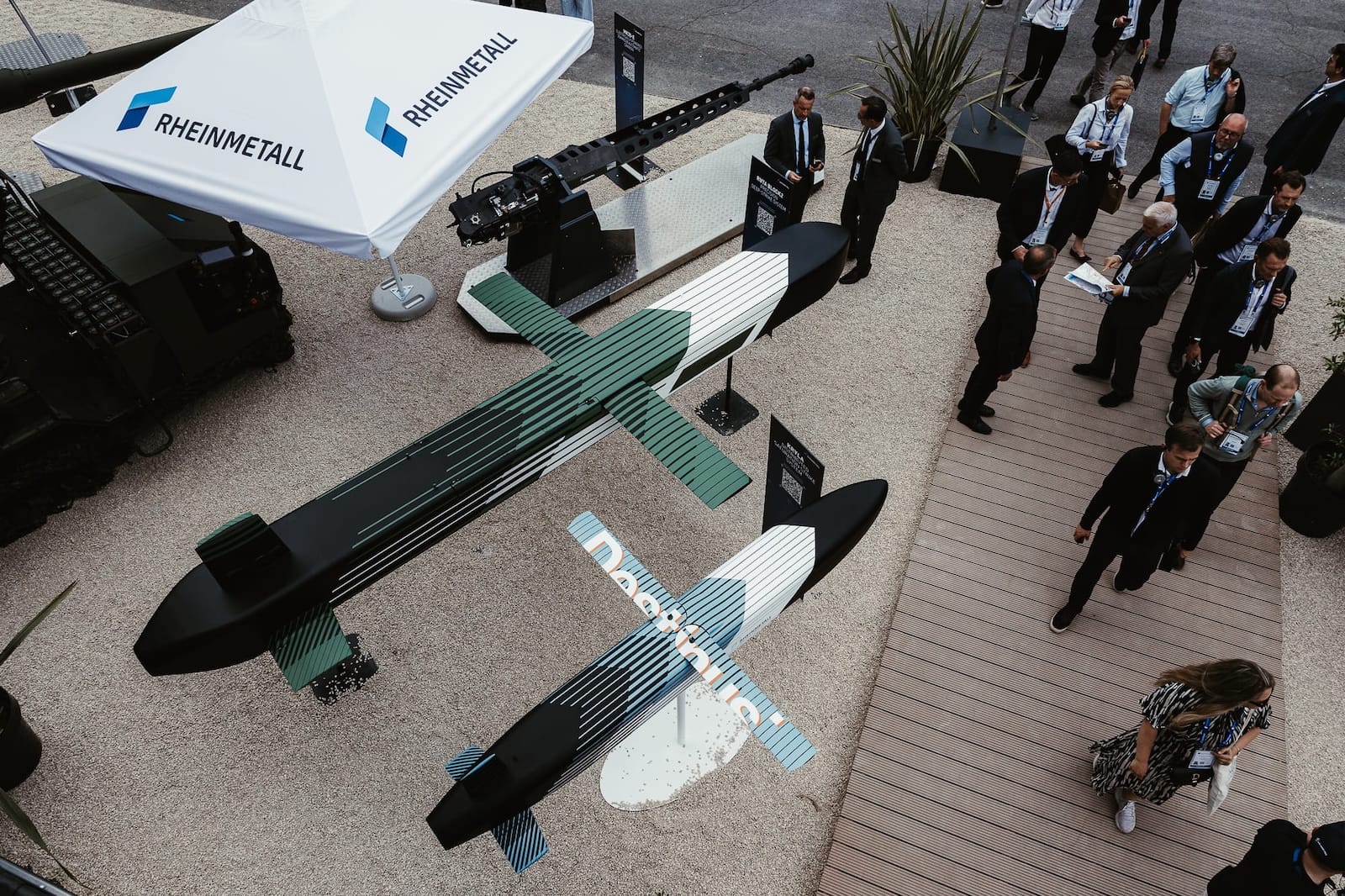
Rheinmetall Destinus Strike Systems has set out its first program priorities at Eurosatory 2026, placing the accelerated introduction of Ruta B3 at the center of the joint venture’s European deep-strike roadmap.
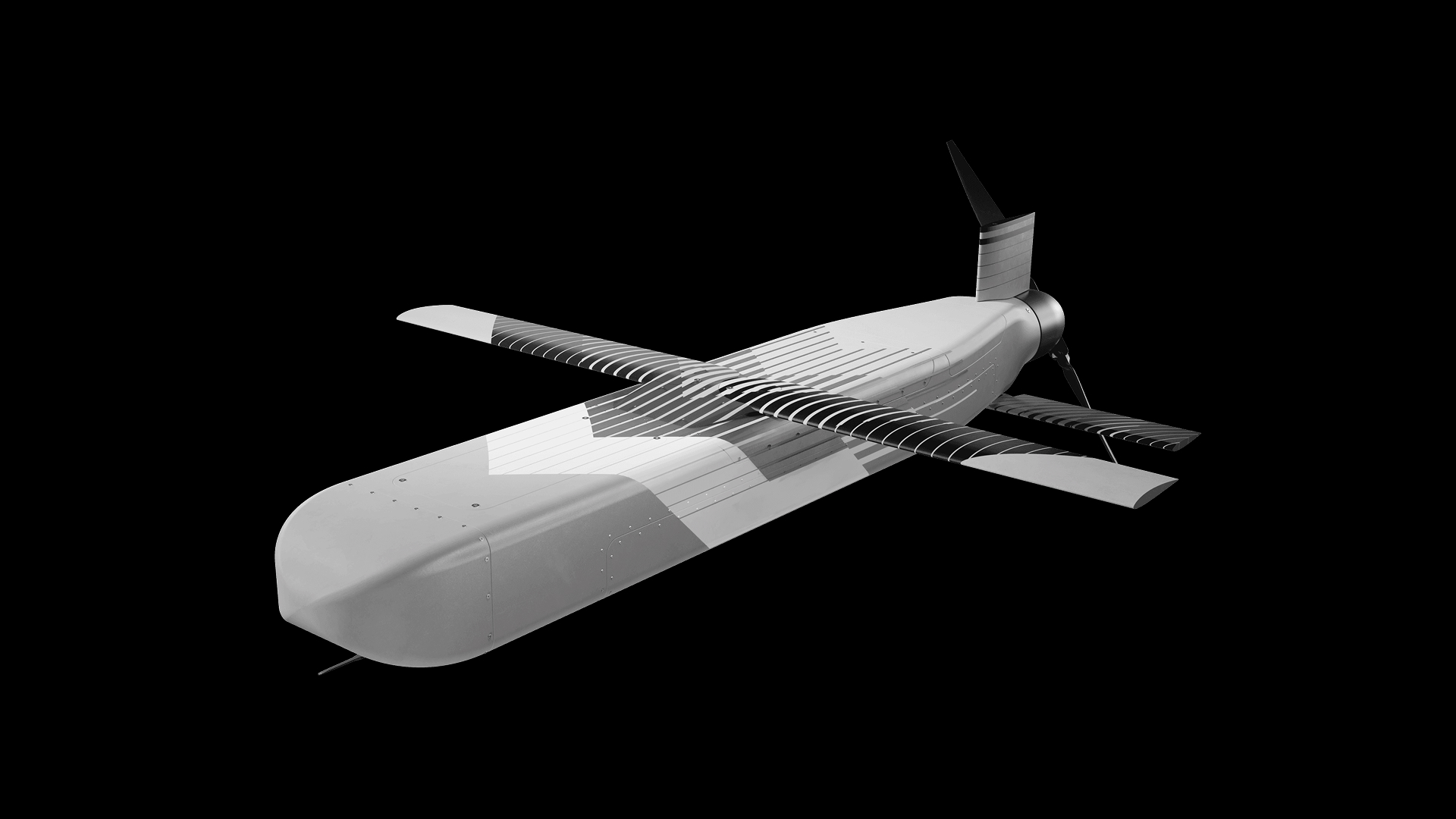
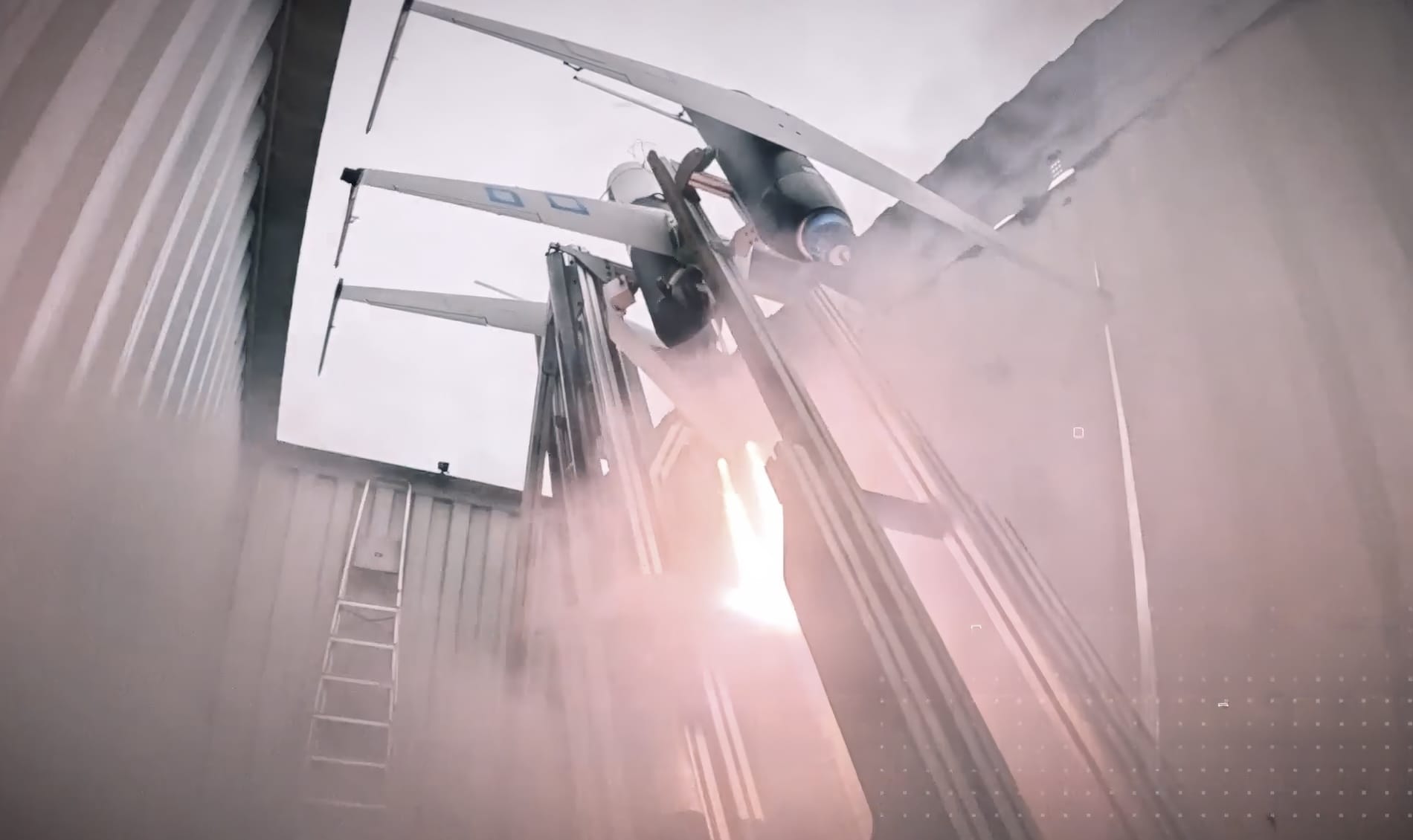
Ruta B3 is a 2,000 km-class cruise missile designed for strategic deep strike against high-value and hardened targets. The system carries a 250 kg-class warhead and is designed for launch from standard containers that can be deployed from vehicle platforms, including Rheinmetall HX trucks, as well as maritime applications. Its containerized architecture is central to the system concept: mobility, concealment, logistics simplicity, and rapid firing readiness are treated as part of the capability rather than as supporting infrastructure.
The objective is NATO qualification, making Ruta B3 available to NATO and EU member states through a 100% European value chain. Final assembly, integration, and testing will be established in Germany, with initial delivery readiness planned for 2026.
The joint venture will begin production with Kryla and Ruta B2. Kryla is a compact cruise missile with a 50 kg warhead designed for massed saturation strikes, while Ruta B2 carries a 250 kg warhead and is designed for high target effect against high-value and hardened targets. Together, Kryla, Ruta B2, and Ruta B3 form a layered European deep-strike portfolio: saturation, high-effect strike, and long-range strategic reach.
For Destinus, the significance is larger than a single product announcement. Rheinmetall Destinus Strike Systems connects Destinus’ cruise missile architecture and core technologies with Rheinmetall’s industrial base, energetics expertise, and qualification pathway. Destinus contributes the technological core of the missile systems; Rheinmetall contributes energetic components, including warheads and booster rocket motors, and supports the German industrial pathway for final assembly and testing.
Europe’s deep-strike gap is not only a question of range. It is a question of production, replenishment, logistics, and qualification. The systems that matter in prolonged high-intensity conflict are not only those that can fly far, but those that can be built, stored, moved, launched, and replaced at industrial tempo. Rheinmetall Destinus Strike Systems is designed around that logic.
As Mikhail Kokorich, Founder and CEO of Destinus, said in the joint announcement: “We are firmly committed to launch from standard sea containers. This gives our customers maximum flexibility: our systems can be deployed across virtually any land and sea platform and through existing logistics chains, concealed and brought to firing readiness in the shortest time.”